

Arquivo da categoria: imprensa
tudo surrupiado do site allan sieber, semana passada…
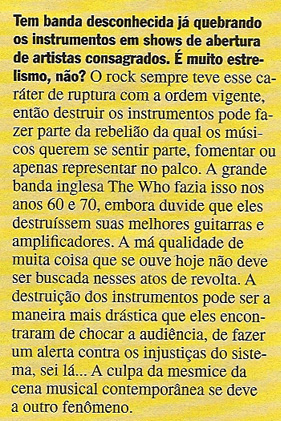
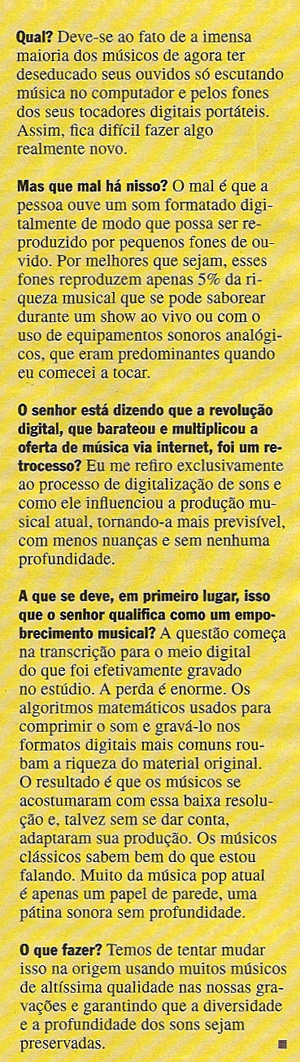
TOM WAITS
No The Guardian de hoje.

Um belo trecho:
He is, he says, equally wary of the ease of search and shuffle. “They have removed the struggle to find anything. And therefore there is no genuine sense of discovery. Struggle is the first thing we know getting along the birth canal, out in the world. It’s pretty basic. Book store owners and record store owners used to be oracles, in that way; you’d go in this dusty old place and they might point you toward something that would change your life. All that’s gone.”
*********************
É isso aí, tá tudo muito fácil. Acho inclusive que foi toda essa facilidade que produziu a geração mais bundona de todos os tempos, essa que está aí com seus iPhones enfiados no cu e um bonezinho com uma marca gigante na cabeça. Ninguém quer procurar, fazer esforço, CONSTRUIR alguma coisa. Não, o negócio é ficar na merda do facefuck o dia inteiro recebendo uma coisa “engraçadinha” depois da outra e passando adiante. São mimados inúteis que jamais tomarão qualquer responsabilidade para si e seu grito de guerra é “Tá de boa”. Caralho, nada irrita mais que ouvir essa merda, “tá de boa”.
Allan Sieber
menos uma!
– “maurição, tô muito chateada, aporrinhada, triste pra meirelles”
– “pô, risada… tô mimindo. pô, são 7 da matina. caraca”
– “pô, maurição. levanta, você precisa me ajudar… anda”
– “risadinha, vai lá na padaria comer um joelho e me liga às 9, ok?”
– “não… preciso te falar uma coisa muito triste”
– “tá bom… anda, criança, desembucha”
– “maurição, lembra que eu fiquei com uma das duas revistas wire que seu amigo trouxe?”
– “ahn… anda”
– “você não sabe… sabe?”
– “caraca, risadinha, fala logo antes que eu perca o sono de vez”
– “tá bom, vou falar. é o seguinte a dub vendor acabou”
– “porra, hein? como é?”
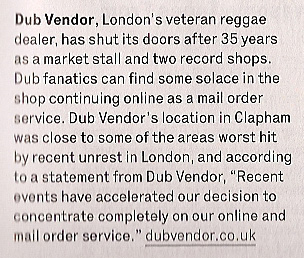
– “isso, maurição. tem uma nota aqui nessa merda da wire dizendo que as lojas acabaram. agora, só na web”
– “pô, risada… que bad trip. agora, lascou. perdi a porra do sono. vou aí ver essa desgraça”
– “vem logo e traz uns compactos de lá que você sempre tocou… e traz a parada que você usa há anos na vitrola”
sim, risadinha estava certa… a DUB VENDOR, principal loja de reggae em londres, fechou as portas!!!
PQParille!!!
olha a nota…
sinister!!!
e assim, não consigo parar de pensar na indagação de lucio “mister white”:
– quem disse que o mundo não acaba?
enfim, sobrou o “feltrinho” nas mãos de risadinha…
 ) :
torcida descabeladaça… mas afinadona, em todos os cantos!
Subject: jogo de música“Mauval
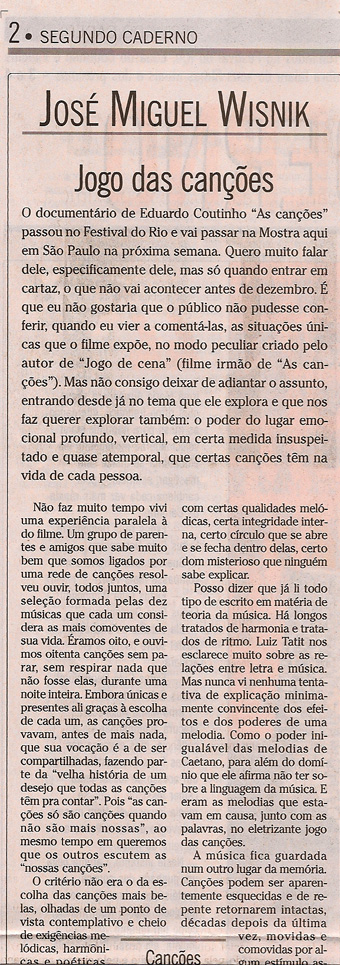
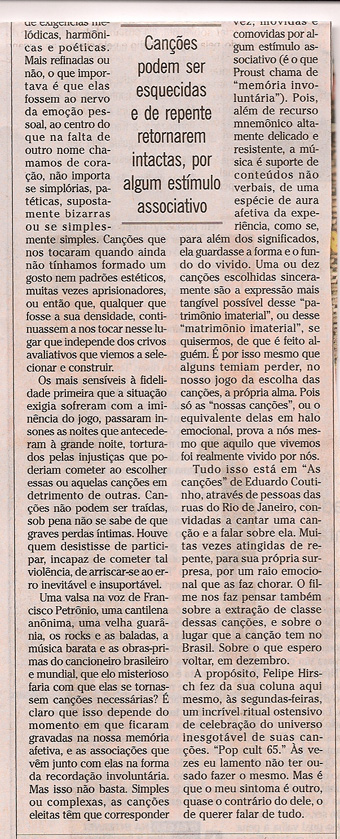
Hoje lendo a crônica do Zé Miguel Wisnik me lembrei muito do Ronca, do aniversário de 300 programas, da paixão de vcs e de nós que fazemos juntos uma corrente de emoção que gera um programa muito bonito, forte e tantas outras coisas mais.Compartilho a crônica que gostei e sei que vc vai gostar tb!Beijo grandeAte terça!Carol(Rio de Janeiro)
 +
Subject: agradecimento
“cara, passando rapi10 só pra agradecer pela tua teimosia em continuar botando o ronca ronca pra voar com música boa e de qualidade. ontem assisti a um showzaço do marcelo jeneci aqui em fortaleza, embora um pouco frustrado pela ausência de tulipa ruiz. brigadão por me apresentar a jenecis, tulipinhas, ortinhos, tiês, criolos e cia. (e eu aqui sempre na peleja pra ouvir o ronca pela internet…)
e como diz otto: “manda música, manda música! ronca ronca: o melhor, o melhor!”
haha abraço,filipe. (fortaleza)
+
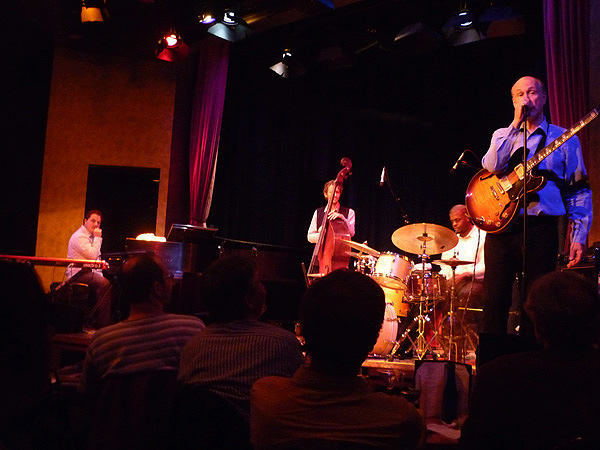
Subject: John Scofield“Fala, Mauval. Saudações vascaínas.Tudo bem por aí?Ontem eu estive em Oakland (CA) pra conferir o John Scofield Quartet.É a segunda vez que o vejo. A primeira foi em Rio das Ostras (RJ). Realmente, o cara é um dos 3 melhores guitarristas de jazz vivos. Dizem que se apresenta em 200 dias por ano. Segue uma foto.”
Abração,
Vinicius (Berkeley / USA)+Subject: KaDeath+Miles“Fala, Mauricio
Pra ilustrar a morte do KaDeath (porque a Folha diz Gaddafi ?), que tal, na próxima terça, “Terror Couple Killed Colonel”, do Bauhaus ?
Tem a ver ?
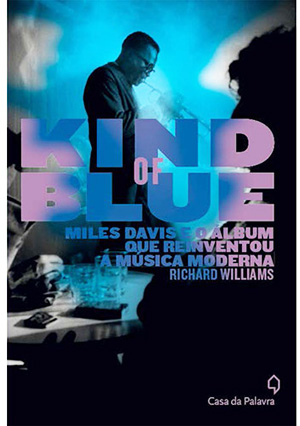
E segue anexo uma dica pros próximos dias. Não li ainda, mas já gostei.
Abraços
Kleber (Rio de Janeiro)
viajar é preciso!
volta e meia coloco pra fora meus delírios envolvendo discos e suas Histórias.
já até recomendei o tema como um provável documentário… ou filme de “ficção”!
lembra a pauta?
os caminhos dos discos, por onde eles passaram, quem os agarrou, beijou… em quem foram arremessados…
como trocaram de mãos… enfim, não faltaria assunto.
mas, no meu caso, quando pego um determinado disco antigo viajo na maionese de que ele já pode ter sido ouvido por um eric clapton, hendrix, dylan… manja?
aconteceu isto, semana passada, quando toquei o compacto inglês do chuck berry. o disquinho, que não tem data, certamente foi lançado – no máximo – no início dos 60… portanto, quem vai me cortar o barato de que ele – o compacto – não passou pelas mãos de ray davies do kinks?
ontem, revendo a edição especial da revista life sobre george harrison, esbarrei nesta foto:
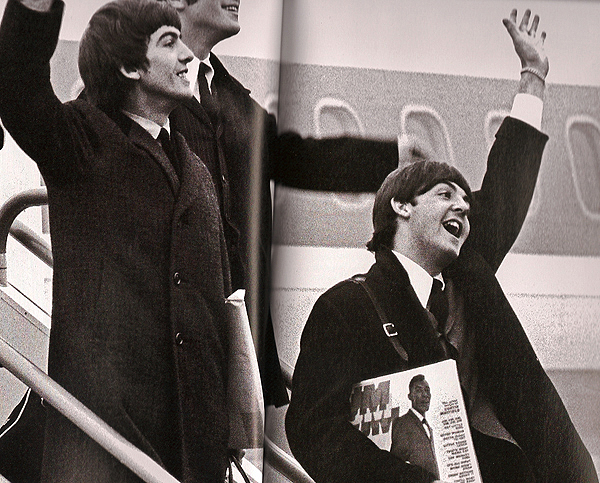
pois bem, quem vai me convencer que este Lp, no suvaco de macca, não é – exatamente – esta cópia aqui que acabei de registrar?
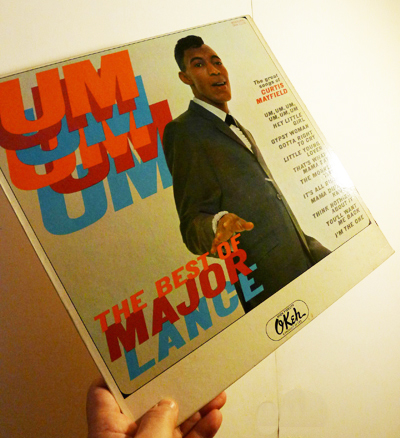
segura aí que vou dar uma cafungada no disco pra saber se paul estava com o desodorante vencido!
( :

o gentleman!
descolar entrevista com eric clapton é quase uma missão impossível… ainda mais individual!
pois bem, a vênus conseguiu.
e mais uma vez ficou escancarada a razão de certas entidades não se submeterem a jornalistas.
sabemos de algumas figuras que, no meio da função, picaram a mula.
clapton, jamais, tomaria esta atitude… e suportou o insano bombardeio até o fim.
sofreu muito… certamente, pensou “pra quê estou aqui?”!
a entrevistadora metralhou os mesmos temas de sempre – heroína, a morte do filho, carla bruni, “god” e arrematou com uma inacreditável comparação com jimi hendrix… e se “esqueceu” de perguntar alguma coisa sobre a música dele!
http://www.youtube.com/watch?v=F9XnosvLmDI
esta é a edição do jornal da globo… existe outra, mais longa e deprimente, que foi ao ar na globo news e que está no g1.
cacilds, fui dar uma olhada nela para tirar a dúvida e, lamentavelmente, confirmei que a entrevistadora teve a “classe” de perguntar para clapton:
– quem é melhor eric clapton ou jimi hendrix?
sim, ela perguntou… mesmo!
outro momento premiado foi o “diálogo” travado pelos dois logo aos primeiros minutos da “entrevista”!
que vergonha… que desperdício!!!
birutando…
a mais recente edição da revista MOJO (sir harrison na capa) traz uma matéria com o caboclo zach condon do beirut!
pois bem, na reportagem, fui informado do evento “beirutando na praça” que aconteceu em 2009, por conta do sucesso da banda na mini-série “capitu”.
no mesmo dia, várias cidades brasileiras – e de forma muito organizada – tiveram reuniões de “fissurados” em beirut tocando seus sucessos (?!)!!!
o condon lembrou:

 sacou?
fico matutando onde estão as milhares de pessoas que participaram tão devotadamente do “beirutando”!
ainda na matéria, o condon apontou quatro discos fundamentais para a banda:

é isto mesmo que foi dito sobre o angenor de oliveira?
será que a turma do “beirutando” vai se manifestar a respeito?
) :
B.J
Bert Jansch obituary
Derek Schofield / The Guardian
Of all the guitarists to emerge from the early days of the British folk music revival, it was Bert Jansch, who has died aged 67, who had the most sustained influence, not only within folk circles, but also on the wider music scene. To Led Zeppelin’s Jimmy Page, Jansch was “the innovator of the time … so far ahead of what anyone else was doing”. Johnny Marr of the Smiths described Jansch’s effect on his musicianship as “massive … one of the most influential and intriguing musicians to have come out of the British music scene”. Other artists he influenced included Paul Simon, Donovan and Neil Young, with whom Jansch toured in the US in 2010.
On stage, he was an introverted, shy, yet riveting solo performer. In his early days especially, he was often unkempt on stage and unconventional off it – a non-conformist who cared little for personal possessions and who often had no fixed address. It was as a member of the groundbreaking folk band Pentangle that he first achieved recognition beyond the folk scene. Formed in 1967, the band toured extensively until 1972, and although all the original members reunited in 1982, it was only Jansch and Jacqui McShee who stayed the course until the band folded in 1995.
His finger-picking playing style included a good deal of improvisation, bending the strings and varying the time signatures to fit the natural rhythm of the words of a song.
Jansch, whose forebears had come from Germany in the 19th century, was born in Glasgow but the family moved to Edinburgh, where he attended Ainslie Park secondary school. He worked, briefly, as a nurseryman, spending his early wages on a guitar. He sought lessons at the Howff folk club, wishing to emulate the guitar style of the American Big Bill Broonzy. Soon, Jansch had become resident unofficial caretaker at the Howff, spending much of his time developing his playing skills, with the Scottish singer Archie Fisher as a significant influence.
In the early 1960s, Jansch graduated from playing for his own pleasure to performing for an audience. He was one of the first guitarists to understand and then interpret and popularise Davy Graham’s guitar solo Anji. At the time, his personal, self-composed songs contrasted with the usual traditional or political repertoire of folk singers.
After busking in Europe in 1964, he moved to London, where his instrumental and songwriting skills were recognised by the producer Bill Leader, who recorded his eponymous first album, released on the Transatlantic label in 1965. The album included Needle of Death, a stark anti-drugs song written after a friend died of an overdose. His second record, It Don’t Bother Me, followed the same year.
It was a time of innovation in traditional song accompaniment. Graham had already brought his jazz and Arabic rhythms to a joint recording project with the folk singer Shirley Collins, and Jansch was by then greatly influenced by the young singer Anne Briggs. The traditional folk songs she taught him, plus his bluesy, improvised guitar accompaniment, dominated his third solo album, Jack Orion (1966), which featured John Renbourn on guitar. A joint album the same year, Bert and John, laid the foundations of Pentangle. Jack Orion included Blackwaterside, a traditional song Jansch learned from Briggs. His arrangement was copied by Page, who recorded the song with Led Zeppelin. The success of Jansch’s albums led to sell-out concerts in London and a tour of provincial city concert halls.
Renbourn was already performing with McShee when the idea of a band was suggested by Jansch; Danny Thompson (bass) and Terry Cox (percussion) added a jazz flavour to the mix of folk and blues. Pentangle’s performances were characterised by extended solos and improvisation, with McShee’s distinctive voice singing a mixture of traditional and band-composed songs. After a debut at the Royal Festival Hall in 1967, they began a relentless touring schedule as well as doing TV and radio work. The opening track of their third album, Basket of Light, was Light Flight, which became the theme tune of the popular television series Take Three Girls (1969). The album reached number five in the charts, and the band appeared on Top of the Pops.
During the Pentangle years, Jansch recorded three solo albums, notably Rosemary Lane (1971), a stark, reflective work that included the traditional song Reynardine, learned from Briggs, alongside his own compositions.
Jansch found the touring with Pentangle too much, and he forced the band to split in early 1973. He retreated to his farm in Wales, but he needed musical challenges, and also to relearn his craft as a solo performer. By the time his album LA Turnaround was released in 1974, he had separated from his second wife, Heather, and moved back to London. At this point, his heavy drinking was taking its toll on his performances and reliability.
Appreciative audiences worldwide and the need to earn a living meant a return to international touring, and Jansch teamed up with the multi-instrumentalist Martin Jenkins. Their concept album Avocet (1979) contained an 18-minute title track inspired by the traditional song the Cuckoo, and five further pieces named after birds.
Pentangle re-formed in 1982, but within a couple of years Renbourn, Thompson and Cox had left. Replacements were found, but the nostalgia surrounding the part-time band had a detrimental effect on Jansch’s already diminishing solo career.
In 1987 Jansch became seriously ill and he gave up alcohol. His biographer, Colin Harper, wrote that “Bert’s creativity, reliability, energy, commitment and quality of performance were all rescued dramatically” by this decision. In 1995 he left Pentangle, which then re-formed as Jacqui McShee’s Pentangle. His back catalogue emerged on CD, and a new generation of musicians discovered his work.
He continued to write songs and make albums. When the Circus Comes to Town (1995), with its tribute to the doctor who saved him – The Lady Doctor from Ashington – led to extensive international touring and a television appearance on Later with Jools Holland. The television documentaries Acoustic Routes (1992) and Dreamweaver (2000), as well as Harper’s biography, Dazzling Stranger (2000), helped cement his renewed reputation.
In 2001 Jansch received a lifetime achievement award at the BBC Radio 2 Folk Awards and, in 2007, so did Pentangle. The original line-up performed at the award ceremony and on a 2008 reunion tour. He received an honorary doctorate from Edinburgh Napier University in 2007. That year, he performed with the Babyshambles singer Pete Doherty, and the singer-songwriter Beth Orton guested on his 2006 album The Black Swan.
Jansch had heart surgery in 2005, and a further operation for lung cancer led to the cancellation of his 2009 tour of the US. But in the summer of 2010, he joined Young on his Twisted Road tour of the US. Last summer, he and the other original members of Pentangle were reunited at Glastonbury, Cambridge folk festival and the Royal Festival Hall.
Jansch was married three times: briefly to Lynda Campbell in 1963, to the sculptor Heather Jansch, and to Loren Auerbach, who survives him. He is also survived by his sons, Kieron and Adam. Another son, Richard, predeceased him.
Robin Denselow writes: Bert Jansch was that rarity, a musician who really did deserve to be regarded as a legend, and who retained that status throughout his career. He was an extraordinary guitarist and a thoughtful songwriter, and generations of would-be pickers sat at his concerts watching his fingerwork with envy and astonishment.
He was influenced by traditional songs, blues and the “folk-baroque” of Davy Graham, but his distinctive style always allowed him to take chances and work with different musicians. When I first met him, as a student journalist in the 1960s, he was outselling Bob Dylan in the folk shops along the Charing Cross Road, and told me: “I’m not recording for anyone, just myself.”
Years later, visiting him at his garden flat in Kilburn, it always struck me how little he had changed – he was still a tousled-haired figure with a slight mumble and quiet sense of humour, happiest when picking up a guitar and discussing music. One of the most memorable of Bert’s shows was his 60th birthday celebration at London’s South Bank, when he ran through the full gamut of his work, joined by younger fans including Johnny Marr, Bernard Butler and Hope Sandoval. He was a unique performer.
• Bert (Herbert) Jansch, guitarist, born 3 November 1943; died 5 October 2011
sem saída!
http://www.youtube.com/watch?v=g9UTGHRjj9E

“Os deputados que forem pela aprovação, a favor da votação, permaneçam como se encontram”
BRASÍLIA – A Comissão de Constituição e Justiça (CCJ) da Câmara, numa sessão meteórica de pouco mais de três minutos, aprovou, na manhã de quinta-feira, 118 projetos. O deputado Luiz Couto (PT-PB), o único presente, foi chamado com urgência na comissão para ter pelo menos um parlamentar no plenário da CCJ. Quem presidiu a sessão foi o deputado Cesar Colnago (PSDB-ES), terceiro vice-presidente. Quando Couto chegou, Colnago declarou: “havendo número regimental, declaro aberta a reunião”. Para abrir uma sessão na CCJ, a mais numerosa e mais importante da Câmara, são necessárias assinaturas de 31 deputados. Esse quórum existia, mas todos assinaram e foram embora, como ocorre em todas quintas-feiras.
Leia mais sobre esse assunto em http://oglobo.globo.com/pais/mat/2011/09/22/com-apenas-um-deputado-em-plenario-ccj-aprova-118-projetos-em-sessao-de-tres-minutos-925423503.asp#ixzz1ZBWjEgFc
© 1996 – 2011. Todos os direitos reservados a Infoglobo Comunicação e Participações S.A.
pára que eu quero descer!!!
Funk legend Sly Stone homeless and living in a van in LA!
Today, Sly Stone — one of the greatest figures in soul-music history — is homeless, his fortune stolen by a lethal combination of excess, substance abuse and financial mismanagement. He lays his head inside a white camper van ironically stamped with the words “Pleasure Way” on the side. The van is parked on a residential street in Crenshaw, the rough Los Angeles neighborhood where “Boyz n the Hood” was set. A retired couple makes sure he eats once a day, and Stone showers at their house. The couple’s son serves as his assistant and driver.
Inside the van, the former mastermind of Sly & the Family Stone, now 68, continues to record music with the help of a laptop computer.
“I like my small camper,” he says, his voice raspy with age and years of hard living. “I just do not want to return to a fixed home. I cannot stand being in one place. I must keep moving.”
Stone has been difficult to pin down for years. In the last two decades, he’s become one of music’s most enigmatic figures, bordering on reclusive. You’d be forgiven for assuming he’s dead. He rarely appears in public, and just getting him in a room requires hours or years of detective work, middlemen and, of course, making peace with the likelihood that he just won’t show up.
There was a time when Sly was difficult to escape. Stone, whose real name is Sylvester Stewart, was one of the most visible, flamboyant figures of the late 1960s and early 1970s.
The multiracial, multi-gender band that Stone assembled fused funk, soul and psychedelic rock and became one of the most influential acts ever. The San Fran-based group released a string of hits beginning with the 1968 album “Dance to the Music,” followed by “Everyday People,” “Family Affair,” “Thank You (Falettinme Be Mice Elf Agin)” and “Stand!”
The group’s costumes and showmanship were just as memorable. The members favored giant afros, flashy capes, Beatle boots, neon vests and leopard-print jumpsuits.
faustão, ontem…
Show do Faust em São Paulo tem até música feita com lixadeira sobre metal
Em primeira performance no Brasil, banda alemã continua tão experimental quanto há 40 anos
Augusto Gomes, iG São Paulo | 17/09/2011 12:03
A norma para bandas com 40 anos de carreira é basear os shows nos clássicos mais queridos pelos fãs, deixando pouco (ou nenhum) espaço para material novo. Mas a banda alemã Faust nunca foi de seguir regras. Em sua primeira apresentação no Brasil, nesta sexta-feira no Centro Cultural São Paulo, o quarteto também deixou essa regra de lado: a base do show foi o disco “Something Dirty”, lançado no início do ano.
O Faust é um dos principais representantes do krautrock, termo que reúne no mesmo pacote diversas bandas surgidas na Alemanha nos anos 1970. Enquanto o Can era a mais progressiva, o Kraftwerk a mais eletrônica e o Neu! a mais punk, o Faust foi a mais experimental. E continua assim até hoje: a apresentação de ontem, por exemplo, teve até música feita com uma lixadeira sobre uma placa de metal.
A banda abriu a apresentação com “Fresh Air”, faixa marcada pelo baixo pulsante de Jean-Hervé Péron. Ele é, ao lado do baterista Werner Diermaier, um dos remanescentes da formação original do Faust. A primeira música foi também uma das mais “normais” da noite. Dali em diante, o show teve uma boa dose de discursos sobre camadas sonoras (“English Woman’s Dream”) com momentos de muito barulho (“J’Ai Mal Aux Dents”).
No meio de tudo isso, houve a lixadeira sobre metal tocada por Diermaeir. E não só isso: em outra música, um lençol branco foi estendido ao lado do palco e a vocalista e tecladista Geraldine Swayne fez uma pintura sobre ele enquanto a música acontecia. O show chegou ao fim após 1h30, quando a banda finalmente fez uma concessão e tocou um de seus maiores clássicos, “Krautrock”, numa versão ainda mais violenta que a original.
O Faust volta a tocar no Centro Cultural São Paulo (Rua Vergueiro, 1000, Paraíso) neste sábado, às 19h. A entrada é gratuita e, até a noite de ontem, ainda havia senhas disponíveis.
Veja abaixo o repertório do show do Faust no Centro Cultural São Paulo:
01. “Fresh Air”
02. “Herbststimmung”
03. “Lost the Signal”
04. “Pythagoras”
05. “Invisible Mending”
06. “J’Ai Mal Aux Dents”
07. “English Woman’s Dream”
08. “La Sole Dorée”
09. “Miss Fortune”
10. “Krautrock”
“hahahahahahahaha” at the gates of dawn…
desde terça feira que risadinha não me larga… sério!
a doidivana, como sempre, ouviu o roNca… e pirou na batatinha.
aliás, enlouqueceu com a parada dos lançamentos do floyd.
enlouquecer é um verbo que ela conjuga muito bem.
“minhas crianças, cobain, garcia, doherty, arnaldão, gillespie…”
sim… assim ela se refere à tropa mais descacetada do som galático.
PQParille… até ainda agora, o bafo dela no meu cangote foi permanente:
“maurição, fala mais desses discos. maurição, fala dos shows do pink que você viu, traz o “piper”… blábláblá”
dose… até que me rendi aos encantos de nossa heroin! hahaha…
“tá bom, risada. vou dar uma passada aí no seu cafofo com a MOJO, “piper” e os programas de knebworth e the wall. faz um coffee, por favor”
e click…


aproveitando a pauta…
bula!

UFA… jumboteKo, ontem, conseguiu desentupir – um pouco – os dutos de pedidos de nossa audiência…
e fluiu que foi uma beleza, hein?
resposta para a pergunta da promo com ingresso/primal scream:
jah wobble (ex-PiL) tocou no screamadelica… e glen matlock (ex-sex pistols) tocou no vanishing point! ok?
segue…
the bug – “too much pain”
the only ones – “another girl, another planet”
zé miguel wisnik – “sócrates brasileiro”
o melda – “cervejinha papai” (7″)

the rolling stones – “doo doo doo doo doo (heartbreaker)”
são paulo underground – “entre um chão e outro”
the vienna philharmonic – “thus spake zarathustra”
guizado – “role beleza” (ao vivo no roNca em 24agosto2010)

ike & tina turner – “honest i do”


tinariwen – “imidiwan ma tenam”
rodrigo amarante & fabrizio moretti – “bate papo no roNca / 14outubro2008”

marcos valle – “samba de verão” (7″)

linton kwesi johnson – “making history”
primal scream – “medication”
roy harper – “one man rock’n’roll band”
pink floyd & roy harper – “have a cigar”
pio lobato – “recado para lucio maia”
faust – “why don’t you eat carrots?”
james taylor – “you can close your eyes”
the kills – “baby says”
d.j rogers – “living is all that matters”

(da mais recente MOJO)
antonio mestre – “canta coração”

